A new EV can change a household’s daily routine quickly. Instead of planning errands around public charging stations, EV charger installation at home lets you start most mornings with the battery ready for the day. The key is making sure that convenience is supported by electrical work that is safe, code-compliant, and properly matched to your vehicle and home.
A home charger is not simply another appliance plugged into an available outlet. It can place a substantial, continuous demand on your electrical system for hours at a time. A qualified electrician can assess that demand before installation, explain the work clearly, and help prevent an upgrade from creating an overload or future repair issue.
Start With Your Driving Habits and Charger Type
The right charging setup depends on how you use your vehicle. For some drivers, the charging cord supplied with the vehicle is enough. This Level 1 option typically plugs into a standard 120-volt receptacle and adds range slowly. It may work well for a plug-in hybrid, a second vehicle, or a household with short daily drives and plenty of time between trips.
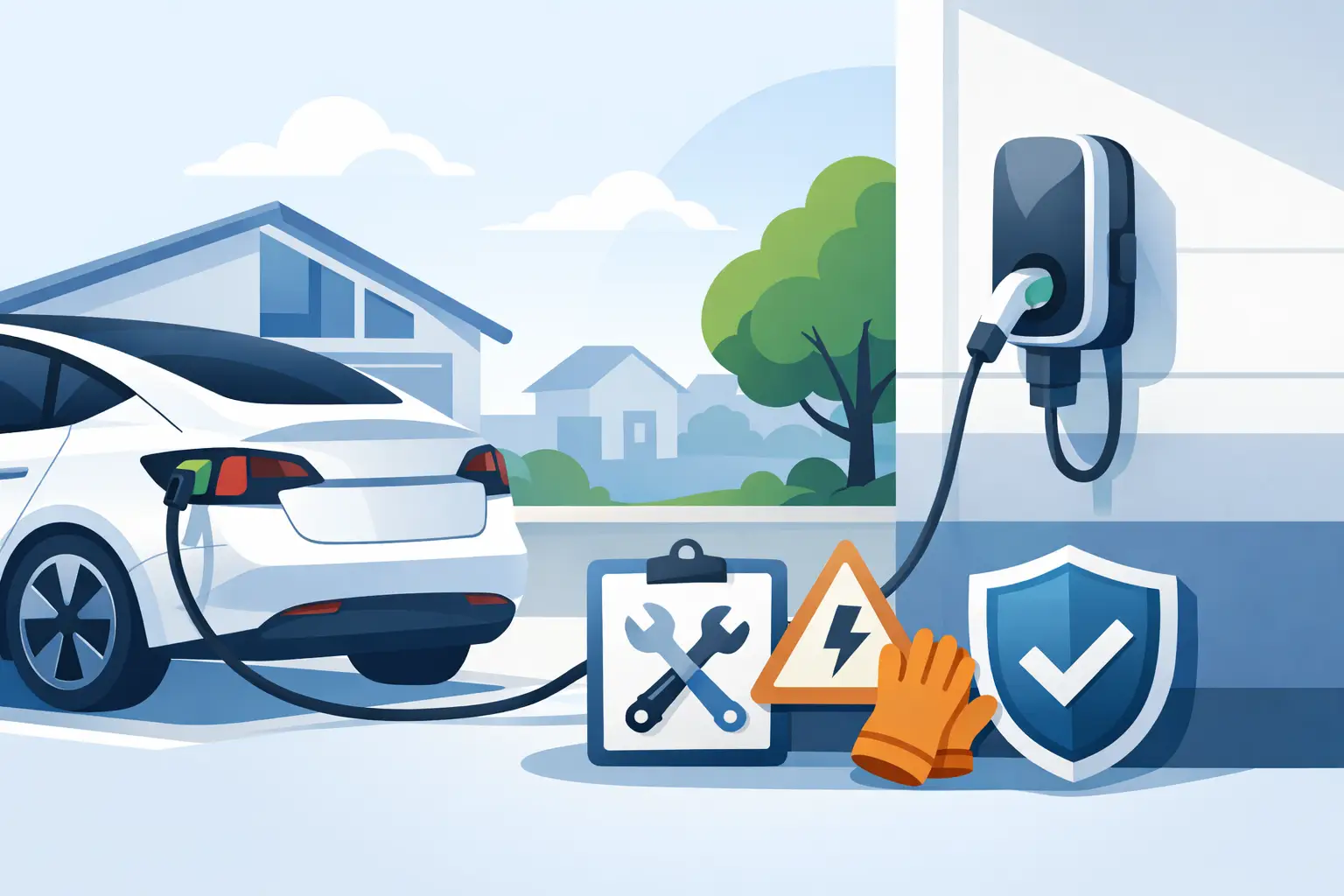
For many full battery-electric vehicles, Level 2 charging is the more practical choice. A Level 2 charger uses 240 volts, similar to an electric dryer or range, and can add considerably more range per hour. That makes overnight charging realistic for many drivers and gives the home more flexibility when schedules change.
The fastest charger is not always the best fit. A higher-amperage unit may require larger wiring, a larger breaker, more panel capacity, and a greater investment. Your vehicle also has an onboard charging limit, so a charger with more output than the vehicle can accept will not necessarily charge it faster. A good installation starts with the vehicle’s specifications, expected daily mileage, parking location, and the capacity of the existing electrical service.
What an Electrician Checks Before Home EV Charger Installation
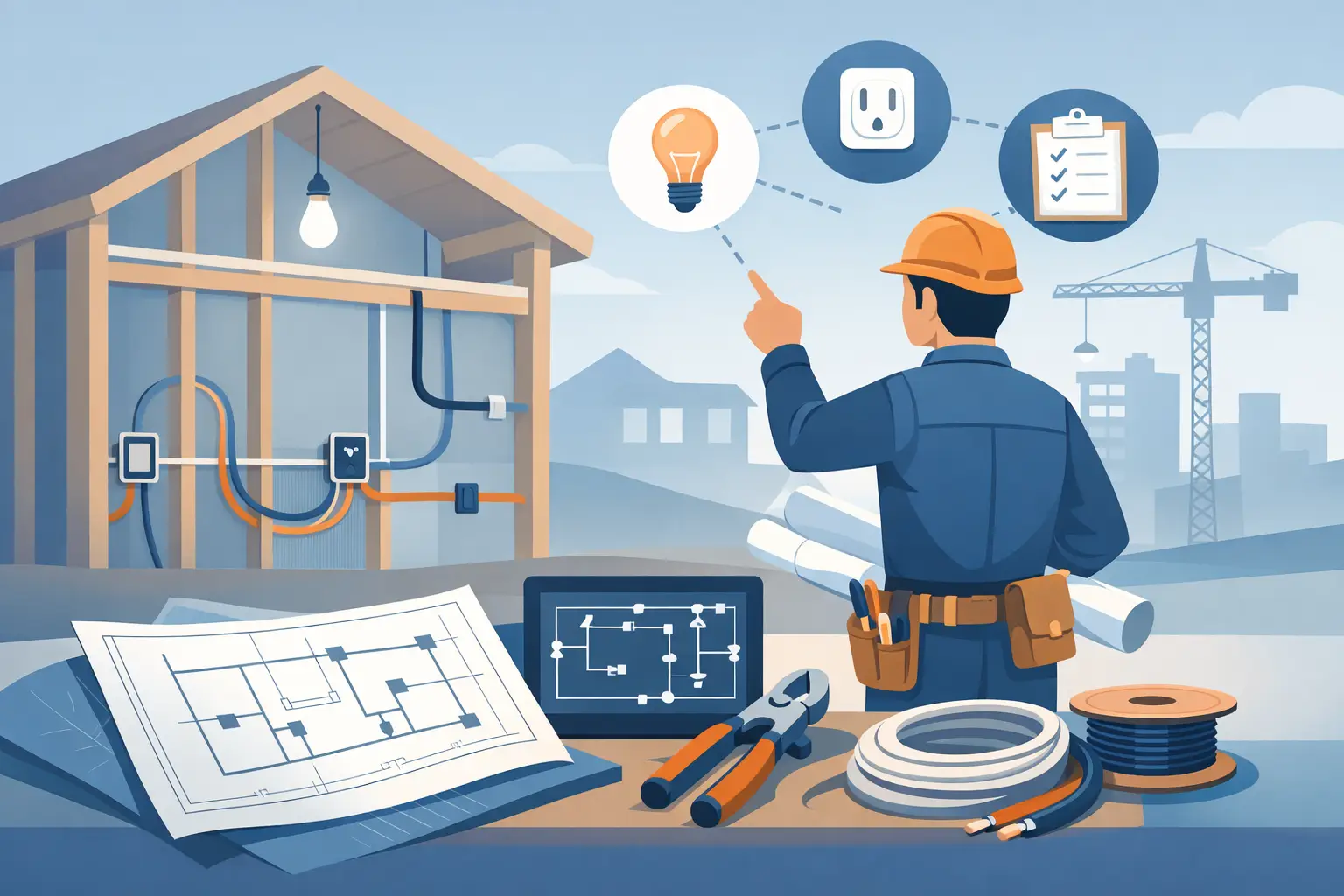
Before recommending equipment or beginning work, an electrician should look beyond the garage wall. The panel, service size, existing circuits, route for new wiring, grounding, and local permit requirements all affect the final scope.
Electrical panel capacity and load calculation
An electrical panel can have open breaker spaces and still lack the available capacity for a new charger. Those are two different questions. The panel may physically hold another breaker, but the home’s service must also be able to safely support the additional electrical load.
An electrician performs a load calculation based on the home’s electrical use and installed equipment. Electric heat, air conditioning, water heaters, ranges, dryers, hot tubs, workshops, and additions can all affect the result. EV charging is generally treated as a continuous load, meaning the circuit must be sized with extra capacity rather than pushed to its limit.
If the calculation shows limited capacity, a panel upgrade or service upgrade may be the right answer. In other homes, adding a properly sized dedicated circuit is all that is needed. The honest answer depends on the property, not on a one-size-fits-all charger package.
Wiring route and installation location
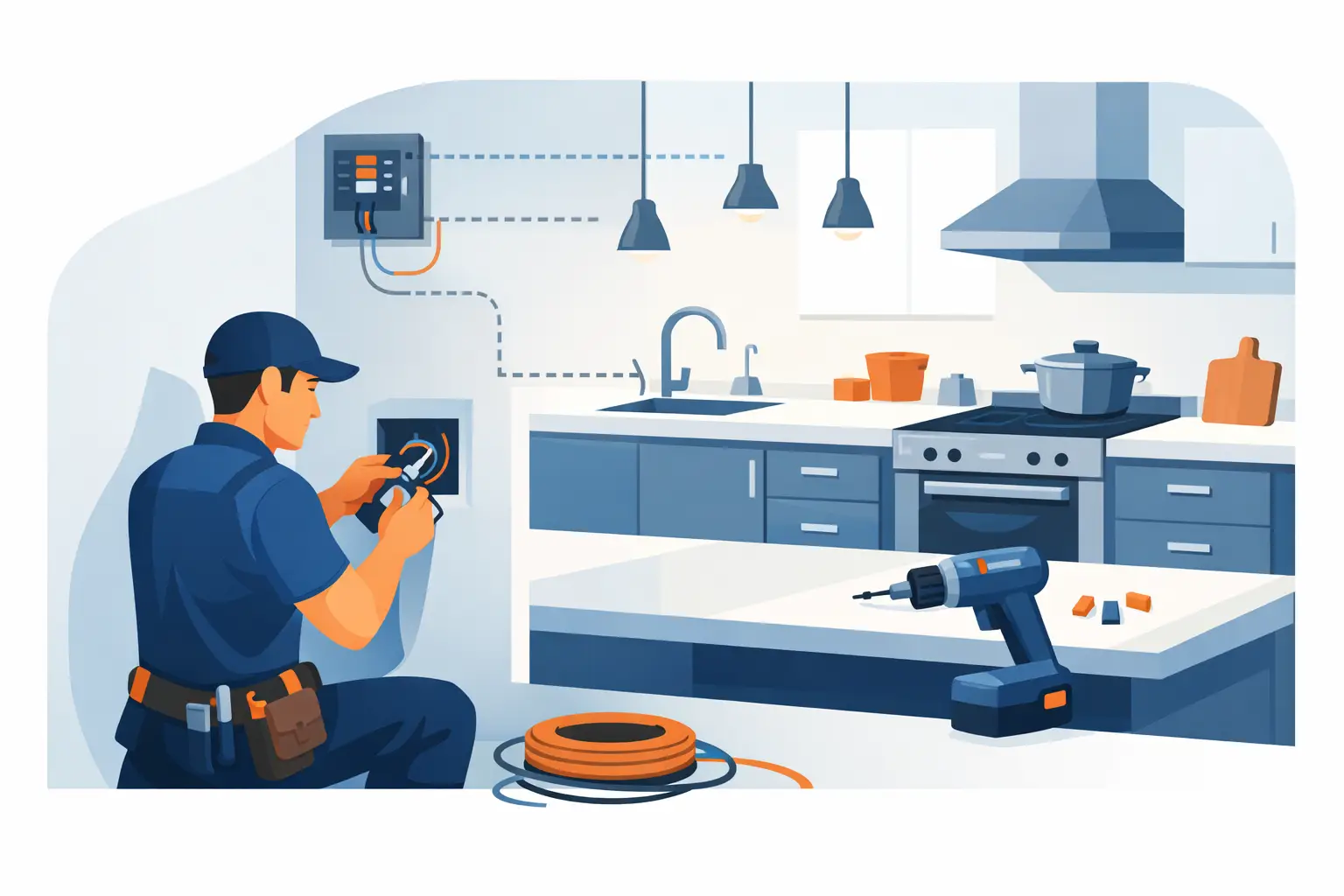
The distance between the electrical panel and the charger location has a direct effect on labor and material costs. A charger mounted near a garage panel is usually more straightforward than one installed at a detached garage, a carport, or a driveway on the opposite side of the home.
The route may require attic access, crawlspace work, trenching, conduit, drywall repair, or weather-rated equipment. Outdoor installations need equipment and methods designed for moisture, temperature changes, and physical protection. A charger should also be positioned so the cable reaches the vehicle without becoming a trip hazard or being stretched across a walkway.
Permits, inspections, and local code
Permits and inspections are not paperwork for paperwork’s sake. They help confirm that the circuit, breaker, wire size, grounding, disconnect requirements, and charger location meet the electrical code enforced in your area. Requirements can vary by jurisdiction, which is why homeowners should not rely on a generic online diagram or advice from another state.
Professional installation also protects you when selling, refinancing, insuring, or renting out a property. Unpermitted electrical work can create questions during an inspection and may be costly to correct later. For landlords and investors, documented work is especially valuable when maintaining a safe property and planning future upgrades.
Hardwired or Plug-In Charger?
Many Level 2 chargers are available in hardwired and plug-in versions. A hardwired charger is connected directly to its dedicated circuit. It often offers a clean appearance, eliminates the receptacle connection, and can be a strong choice for a permanent installation.
A plug-in charger connects to a properly installed 240-volt receptacle. It can be convenient if you may take the charger with you, replace it later, or use a compatible portable unit. However, the receptacle must be rated for the intended continuous use and installed correctly. A standard household outlet is not a substitute for a properly designed EV charging circuit.
Neither option is automatically better. The best choice comes down to the charger model, electrical design, local requirements, and whether the equipment is intended to remain with the home.
What Affects the Cost of an EV Charger Installation at Home
Homeowners often ask for a single price before anyone has seen the panel or charger location. A straightforward installation can be more affordable than expected, but the total cost can change when the project requires longer wire runs, difficult access, exterior conduit, trenching, panel work, or a service upgrade.
The charger itself is only one part of the budget. The electrical circuit, breaker, wire, conduit, permits, labor, and any needed repairs or upgrades should be considered together. If a panel is older, crowded, damaged, or showing signs of overheating, addressing that condition before adding a continuous load is a safety decision, not an unnecessary add-on.
Clear pricing should explain what is included and why. Ask whether the estimate covers the permit, inspection coordination, charger mounting, circuit installation, patching if needed, and any panel-related work. Knowing the scope up front makes it easier to compare proposals fairly.
Prepare Before the Installer Arrives
A little preparation helps the evaluation move faster. Have the vehicle make and model available, along with the charger model if you have already purchased one. If you are still choosing equipment, tell the electrician how far you drive on a typical day and where each vehicle will park.
Make sure the electrical panel and proposed charger location are accessible. If the panel has a history of tripped breakers, flickering lights, warm outlets, or previous water damage, mention it. Those details can point to issues that should be investigated before new equipment is added.
For households planning more than one EV, say so early. Installing one charger now may be simple, but planning conduit, panel space, or load management for a second charger can save disruptive work later. The same applies to planned additions, a new electric range, a hot tub, or a future generator.
Why Professional Installation Matters
DIY videos can make EV charging look simple, especially when the charger comes with a mounting template and a cord. What they do not replace is the electrical assessment behind the wall. Incorrect wire sizing, loose terminations, unsuitable receptacles, overloaded panels, or improper weather protection can lead to nuisance tripping, equipment damage, overheating, and fire risk.
A professional electrician brings the tools and hands-on judgment to evaluate the full system, install the circuit correctly, test the work, and address code requirements. At Bright Ideas Electrical Solutions, that means treating your home with respect, explaining recommendations in plain language, and completing work with safety and dependable performance in mind.
A Charger Should Fit Your Home, Not Just Your Vehicle
The right home charger gives you reliable daily convenience without asking more of your electrical system than it can safely provide. Whether your project is a simple dedicated circuit or part of a larger panel upgrade, start with a professional evaluation and a clear scope of work. That first conversation can help you choose a charging setup that works well today and leaves room for the way your household may use electricity tomorrow.